MITRE EMB3D Threat Model for Embedded Devices

  • Markus Müller
  • Published on
  • 2 min read

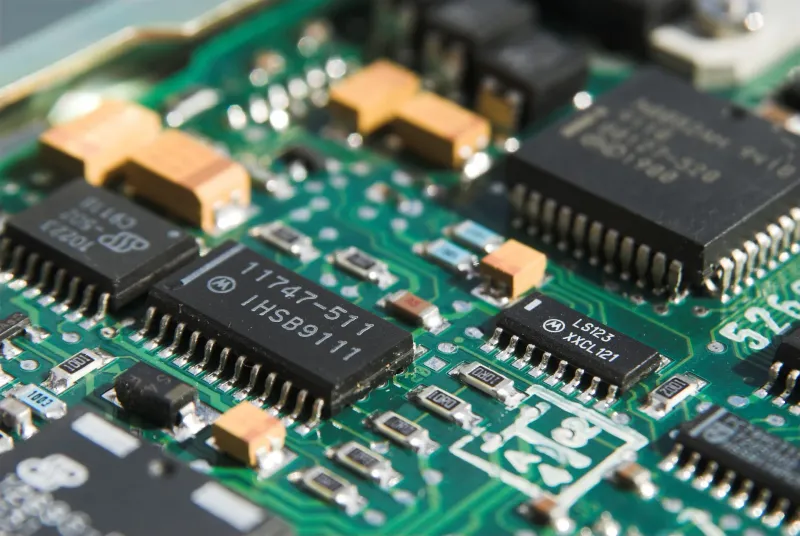
MITRE has introduced EMB3D, a new threat modeling framework for embedded devices. It aims to improve the security of devices in critical infrastructure, the Internet of Things (IoT), the automotive industry, healthcare, and many other areas. In April 2025, MITRE released version 2.0 of EMB3D with new threats, device properties, and mitigations.

Contents
  1. How EMB3D compares with ATT&CK
  2. The EMB3D framework at a glance
  3. EMB3D in threat and risk analysis
  4. Our assessment

How EMB3D compares with ATT&CK

Like the ATT&CK framework (Adversarial Tactics, Techniques, and Common Knowledge), EMB3D provides a central knowledge base of threats, but with a specific focus on embedded devices. ATT&CK covers cyber threats in general. EMB3D addresses the specific threats and vulnerabilities that occur in embedded devices.

The EMB3D framework at a glance

The EMB3D framework has three main components: device properties, threats, and mitigations.

  • Device properties describe the hardware and software components of a device, including physical hardware, network services and protocols, and firmware. By mapping these properties, users can identify the threats associated with them.
  • Threats describe how attackers can achieve certain objectives or effects on a system or device. Each threat includes information on the targeted technical properties, the actions the attacker must take, and the weaknesses that make the threat possible.
  • Mitigations are strategies and techniques that help device manufacturers prevent or reduce threats. They define mechanisms or technologies intended to protect against the threat.

EMB3D in threat and risk analysis

The Cyber Resilience Act requires manufacturers to assess the cybersecurity risks of their products, and IEC 62443-4-1 requires a threat model as part of the secure development process. EMB3D does not replace either analysis, but it provides input for both. If you map the device properties of your product, you get a list of possible threats. You can then review them in the threat model, rate them by likelihood and impact, and assign suitable mitigations. Our article How TARA, Threat Models, and Cybersecurity Risk Assessments Differ explains how the threat model, the risk assessment, and the TARA relate to each other.

Our assessment

EMB3D is an important tool for manufacturers of embedded systems. It is a valuable resource for improving device security because it provides a central knowledge base of known threats and corresponding mitigations. We hope manufacturers adopt the framework widely, and we look forward to future updates with further mitigations. The framework is an important step toward more secure and more resilient software.


Choosing a CRA consultant? Here is how to find the right one.

Get the guide

Book a call

Send us your request. Together we will look at where your company stands, which questions are still open, and what the sensible next steps are.

For information on how we process your data, see our privacy policy.

Guide: How to choose the right CRA consultant

CRA consulting offers are hard to compare. One provider delivers only a gap analysis, another also supports the technical implementation, and both call themselves “CRA consultants.” If you ask the wrong questions, you end up paying for services you don't need, or you find out halfway through the project that key expertise is missing.

Our guide shows manufacturers what really matters when choosing a provider, from the expertise you need to the right pricing model and the 20 questions you should ask every provider.

What the guide covers:

  • the seven areas of expertise a complete CRA implementation requires
  • four support models depending on your in-house capacity and expertise
  • 20 specific questions for your next provider meeting
  • a red flag card for spotting warning signs quickly
  • a scoring sheet with rating guidance for a structured comparison of providers

Download it for free

Newsletter

For information on how we process your data, see our privacy policy.

Free templates: CRA reporting process

Prepare your company for the reporting obligations under the Cyber Resilience Act. You get process descriptions and templates tested in practice for:

  • reporting actively exploited vulnerabilities
  • reporting severe incidents
  • the required early warning notifications, notifications, and final reports
  • clear responsibilities, escalation paths, and deadlines

Enter your contact details and we will email you the files.

Newsletter

For information on how we process your data, see our privacy policy.

Free template: Risk assessment according to EN 50742

We use this template in our consulting projects for systematic threat assessment. You get an Excel template with:

  • a structured threat assessment for your machinery
  • a systematic way to determine safety-related security levels (SRSL)
  • documentation of vulnerabilities and protective measures

Enter your contact details and you will receive the template within minutes.

Newsletter

For information on how we process your data, see our privacy policy.

Free template: SBOM

We use this template in our consulting projects to meet the CRA requirements for the software bill of materials.

Enter your contact details and you will receive the template within minutes.

Newsletter

For information on how we process your data, see our privacy policy.

Free template: Vulnerability disclosure policy

We use this template in our consulting projects to meet the CRA requirements for vulnerability handling. You get a Word template with:

  • a structure based on EN 40000-1-3
  • predefined sections for reporting channels, response times, and responsibilities
  • safe harbor clauses for security researchers

Enter your contact details and you will receive the template within minutes.

Newsletter

For information on how we process your data, see our privacy policy.